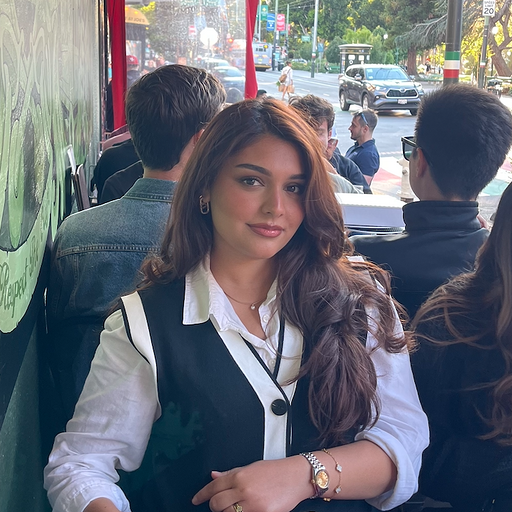
Amit Shrivastava spent the previous stretch of his career shipping software in healthcare, where the regulations decide how fast anything is allowed to change. He is now ServiceUp's chief product officer (CPO), working in a category with no such ceiling.
He started as an engineer at Intel and moved out of hardware into user experience and business strategy. Reading StrengthsFinder by Tom Rath pushed him toward product management for good. At Castlight Health and Twin Health he helped scale the company to unicorn status and built early applications of generative AI in healthcare, where strict regulation slowed the work down.
"We are tackling a huge, tangible problem in a market that is ready for transformation with AI. And we have a team that is serious about being ELITE, as Brett often says."
What he is walking into
Fleet repair looks like one process from the outside. Inside it is a chain of handoffs, and every handoff is a place a vehicle stops moving.
A driver texts a photo of a bumper, or a telematics fault fires, or an FMC (fleet management company) opens a case. Somebody picks a shop. The shop sends an estimate as a PDF. Somebody compares it line by line against a pricing policy, a warranty position, and whatever was done to that VIN (vehicle identification number) last quarter. The approval waits in an inbox. Parts go on backorder. The ECD (estimated completion date) slips and nobody tells the fleet. The vehicle is finished Thursday and collected Monday because transport was never booked. Then the invoice arrives and the reconciliation starts.
Every one of those steps has a named failure mode that fleet managers recognize on sight: the van that sits three days waiting on a callback, the manager pulled off route planning to chase an estimate, the markup nobody had time to catch.
"Fleet and insurance repairs operate in a broken system with disconnected workflows, manual approvals, and endless back-and-forth that increases downtime and drives up costs."
"We are building an AI-driven, full-stack orchestration platform that takes care of every step from pickup to payment."
The four things he is doing first
- Sit inside customer workflows until the friction is something he has watched rather than something he has been told about.
- Find the opportunities with measurable return, not the ones that demo well.
- Deliver what was committed, on the date it was committed, until the follow-through is boring.
- Lay the foundation for AI-native capability that absorbs the complicated parts instead of surfacing them.
"These priorities will evolve as I work closely with the team and customers, but the goal remains the same: build products that drive outcomes and set ServiceUp apart."
Where the automation goes first
The first targets are the repetitive ones: quote comparisons, parts sourcing, and status updates. Those are the tasks that consume a coordinator's day and produce nothing a customer would pay for.
In the platform that work sits with six agents, each owning one link in the chain. The Intake Agent opens the RO (repair order) from whichever source it arrived through. The Shop Routing Agent matches it against the fleet's own shop preferences and performance history. The Estimate Agent reads the estimate line by line against pricing, warranty, and maintenance policy. The Approval Agent clears what fits the policy and escalates what does not. The Fraud Detection Agent flags charges that should not be there. The Communications Agent keeps the shop, the driver, and the fleet on the same version of the truth.
How much of that runs on its own is a setting, not a philosophy. MANUAL is you run, agents observe: agents surface recommendations and your team reviews and approves every action. CO-PILOT is agents propose, you approve: agents act up to your thresholds and anything above escalates to your queue. AUTOPILOT is agents run, you observe: agents operate end to end against your policies and your team steps in only on true exceptions.
"AI enables us to eliminate that guesswork, accelerate repair timelines, and keep vehicles on the road longer."
"AI won't just be a feature. It will define how the entire platform operates. That's exactly the path we're on at ServiceUp."
Pressure is a privilege
The Billie Jean King line is one of the mantras around here, so we asked him about it.
"I believe pressure is what makes the work meaningful. It means you're trusted with something that matters."
He applies the same arithmetic to time away from work.
"I once read that by the time your kids turn 18, you've already spent the majority of the total time you'll ever spend with them. That really stuck with me. For me, just talking to my kids and playing with them is energizing."
"The path is clear, the market is ready, and the next chapter will be defined by our ability to execute at an elite level. We truly control our own destiny."
ServiceUp automates vehicle repair from intake to payment, which is the problem Amit was hired to keep pushing on. He is on LinkedIn if you want to argue with any of it.